

Introduction: The Growing Impact of Rising Electricity Prices in Australia
Australia is facing an energy crisis. As electricity prices rise, many Australian households and businesses are struggling to keep up with soaring energy bills. According to recent reports, energy costs are expected to increase significantly over the next few years, putting additional strain on already stretched household budgets.
With the demand for renewable energy solutions surging, many Australians are looking for ways to mitigate their energy costs. That’s where solar batteries come in.
In this article, we’ll explain why solar battery systems are fast becoming the best solution to the rising electricity prices in 2025. We’ll explore how solar batteries work, their benefits, and why investing in a solar energy storage solution can help you save money and reduce reliance on the grid in the long run.
What Is a Solar Battery?
A solar battery is a device that stores excess electricity generated by your solar panels during the day, so it can be used later, such as in the evening or during cloudy days. This system allows homeowners to make the most of their solar energy generation, reducing the need to purchase electricity from the grid.
By storing excess energy during the day, a solar battery allows homeowners to use their solar energy even when the sun isn’t shining. This is particularly useful in regions with high electricity prices or time-of-use tariffs, where electricity rates fluctuate throughout the day.
How Solar Batteries Work
- Solar panels generate direct current (DC) electricity during sunlight hours.
- The inverter in your solar system converts the DC electricity to alternating current (AC), which is used to power your home.
- Excess energy not used immediately by the household is stored in the solar battery for later use.
- When sunlight is not available, or electricity prices peak, the stored energy is used to power your home, reducing the need to purchase electricity from the grid.
This efficient process maximizes solar energy use, reduces reliance on expensive grid electricity, and increases your energy independence.
Why Electricity Prices Are Rising in 2025
Australia’s electricity prices are expected to continue rising in 2025 due to several key factors:
Grid Strain and Increased Demand
The demand for electricity continues to rise due to factors such as:
- Increased use of electric vehicles (EVs) and electric heating/cooling systems.
- Hotter summers and colder winters, which cause greater strain on the electricity grid.
- A growing population and expanding industries.
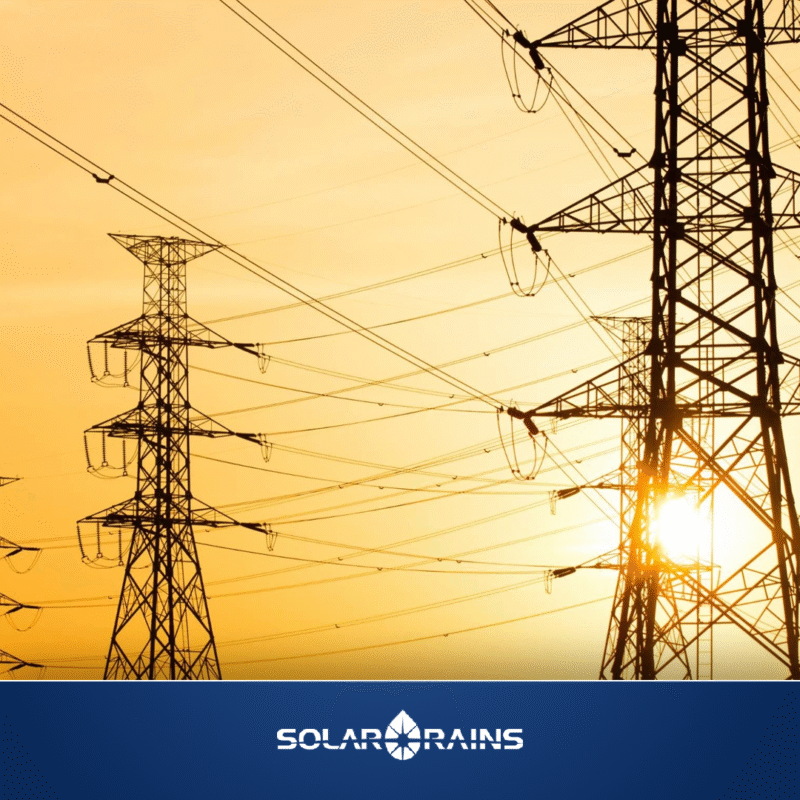
Supply and Distribution Challenges
With increasing reliance on renewable energy sources like solar and wind, the need for battery storage systems is also rising. This transition can make the grid more susceptible to reliability issues unless large-scale storage solutions like solar batteries are deployed.
Rising Gas and Coal Prices
Australia still heavily relies on coal and gas for electricity generation. However, rising global fuel prices and ongoing debates about climate policies have led to higher generation costs.
Government Policy Changes
Policies designed to reduce emissions and transition to renewable energy are pushing up the cost of traditional energy generation. While renewable energy is expected to eventually lower energy costs, the transition phase can cause price hikes in the short term.
Why Solar Batteries Are the Ideal Solution to Rising Electricity Costs
Lower Energy Bills
The primary benefit of installing a solar battery system is the ability to lower your electricity bills significantly. Solar batteries store the excess solar energy produced during the day, allowing you to use it at night when grid electricity prices tend to be higher.
By reducing your reliance on the grid, you avoid expensive peak rates, which can be as much as three times higher than off-peak electricity. This energy independence enables you to control your costs more effectively, even as electricity prices continue to rise.
Increased Self-Consumption of Solar Energy
Without a battery, any excess solar energy your system generates during the day is often exported to the grid. While you may receive a feed-in tariff, it is usually quite low compared to what you pay for grid electricity.
By adding a solar battery, you can store that excess energy for later use. This maximizes your self-consumption, making your solar system much more efficient. Essentially, you’re getting free power from your panels, stored for your convenience, at the times when grid energy is most expensive.
Energy Independence & Backup Power
For many Australians, energy independence is an attractive reason to invest in solar batteries. With solar power, you are no longer at the mercy of rising energy prices or blackouts. You have control over your own energy production and consumption.
- Backup power: Solar batteries provide a backup solution during blackouts, ensuring that essential appliances like fridges, lights, and medical equipment continue to run when the grid goes down.
- Security and stability: With a solar battery, your home becomes more resilient to grid failures and fluctuations in energy supply. This is especially important in regions prone to frequent power outages or areas with unstable grids.
Environmental Impact
Using a solar battery not only saves you money but also reduces your environmental footprint. By storing and using clean solar energy, you are decreasing your reliance on fossil fuel-based power, which significantly lowers carbon emissions.
- Reducing emissions: For every kWh of solar power you use instead of grid electricity, you’re helping to prevent carbon dioxide emissions from fossil fuel generation.
- Supporting renewable energy: By storing and using solar power efficiently, you are supporting the global shift toward clean energy and reducing Australia’s dependence on coal and gas.
Solar Battery Costs & Return on Investment (ROI)
The cost of a solar battery system varies depending on the capacity, brand, and installation complexity. On average, the cost ranges between $8,000 and $15,000 for a complete solar battery storage system.
Government Rebates & Incentives
The Small-scale Renewable Energy Scheme (SRES) and Cheaper Home Batteries Program in Australia offer rebates that can significantly reduce the upfront cost of installing a solar battery. These incentives make it easier to integrate solar batteries into your home, allowing you to start saving sooner.
Return on Investment (ROI)
Although the initial investment may seem high, the ROI is typically seen within 7–10 years, depending on your energy usage and local electricity rates. Solar batteries not only reduce your electricity costs but also increase the value of your property, making them a long-term financial asset.
The Future of Solar Batteries in Australia
The future of solar energy and solar batteries in Australia is incredibly promising. With continuous advancements in battery technology, falling prices, and ongoing government support, the adoption of solar batteries is expected to soar in the coming years.
Emerging Trends:
- Battery storage for commercial applications: More businesses are turning to solar batteries to cut operating costs and ensure energy security.
- Integration with Virtual Power Plants (VPPs): Solar battery owners can now participate in VPPs, which allows them to sell excess stored energy back to the grid and earn revenue.
- Smart batteries and advanced monitoring: New smart batteries can integrate with home energy management systems to automatically optimize when to store energy and when to draw from the battery.
Conclusion: Embrace Solar Batteries for the Future of Energy
In light of rising electricity prices and the increasing need for energy resilience, solar batteries are quickly becoming an essential solution for Australian homeowners and businesses. By storing excess solar energy, you gain control over your power usage, reduce reliance on the grid, and save money in the long term.
At Solar Rains, we offer top-of-the-line solar battery systems that are designed to integrate seamlessly with your solar panels. Whether you’re looking for a small-scale solution or a more advanced commercial battery system, we have options to suit every need.
Ready to take control of your energy costs?
Explore our solar battery systems or get in touch for expert advice and quotes today.
FAQs
Solar batteries typically last 10 to 15 years, depending on the technology used and how often they are cycled (charged and discharged).
Yes, most solar systems can be retrofitted with a solar battery. It’s essential to ensure compatibility with your inverter.
Yes, solar batteries with backup functionality will supply power during a blackout. However, not all batteries have this feature, so make sure to check with your installer.
The cost of a solar battery system typically ranges from $8,000 to $15,000, depending on the capacity and brand.
Yes, Australia has several government schemes, such as the SRES and Cheaper Home Batteries Program, which offer rebates to reduce installation costs


